Quick answer: Barber school duration ranges from 6 to 18 months depending on your state and schedule. Illinois needs 1,500 hours, which takes 10-12 months full-time or 12-18 months part-time. You’ll spend around $4,500 to $29,000 total, but most barbers break even within two years once they build their client base.
Thinking about switching careers into barbering? You’re probably wondering if you can actually afford the time off work. Maybe you’re asking yourself: “Can I do this while keeping my day job?” or “Will I be stuck in school forever?” Here’s the deal: barber training isn’t like getting a four-year degree. It’s focused, intense, and gets you working fast.
How Long Is Barber School in Illinois (and Nationwide)?
State licensing requirements control how long you’ll be in school, and they’re all over the map. New York only demands 500 hours while Ohio wants 1,800 hours—that’s a massive difference in your course length. In Illinois, you’re looking at exactly 1,500 hours of hands-on training to qualify for your license. That’s the middle ground compared to other states. If you go full-time (30-40 hours weekly), you’ll finish in 10-12 months. Part-time students stretching 15-25 hours per week need 12-18 months.
California and Texas both require just 1,000 hours, meaning you could wrap up in 7-8 months full-time. Florida sits at 900 hours—even faster at 6-7 months if you’re hustling. Meanwhile, states like Michigan and Ohio make you log 1,800 hours, pushing your program time to 12-14 months minimum. Your median annual salary also varies wildly by location. Washington barbers average $55,980 yearly while Florida sits at $32,180—location matters for both education duration and earning potential.
Why the Median Salary Appears Modest
Those official salary numbers you see online? They’re missing the biggest chunk of what you’ll actually take home. The Bureau of Labor Statistics tracks base average wage only—they don’t count tips, which can boost your income by 20-50% or more depending on your shop and skills. A barber making $38,960 officially might actually pocket $50,000+ after tips. Some weeks you’ll walk out with an extra $200-300 in cash.
Booth rental barbers keep 100% of what they charge minus their weekly rent. If you’re charging $35 per cut and doing 25 clients weekly, that’s $875 before rent (usually $100-400 weekly). Commission-based barbers typically get 40-60% of service fees, which beats hourly work once you build regulars. As you gain experience and specialize in premium services like straight razor shaves or intricate beard designs, your yearly income climbs even higher.
Factors Affecting Your Timeline
Your schedule intensity decides everything. Full-time students knock out requirements faster but can’t work much on the side. Part-time programs give you flexibility to keep your current job, but you’re looking at nearly two years of juggling both commitments. Evening and weekend classes exist specifically for working students—they take longer but let you pay bills while learning.
Attendance and punctuality matter more than you’d think. Miss two weeks and you’re behind on hours, which delays graduation and licensing. Previous experience counts in some states. If you’ve got cosmetology training or completed a barber apprenticeship program, you might get credit toward your required hours. The program structure itself varies between schools. Some offer accelerated options cramming 40+ hours weekly, while others pace things out with balanced theory and practice days.
The Complete Path to Becoming a Licensed Barber
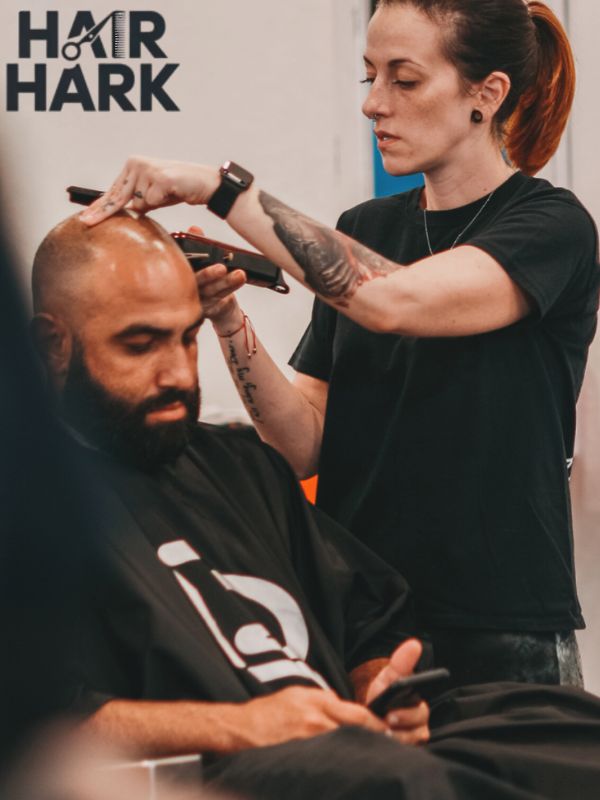
Becoming a licensed barber isn’t just about sitting in class. There’s a clear roadmap from enrollment to your first paying client. The total journey from “I’m interested” to “I’m working” takes 8-20 months depending on your state, schedule, and how quickly you pass exams. Here’s what actually happens at each stage, with realistic timeframes nobody tells you about upfront.
Step-by-Step Timeline
1. Enrollment and Pre-Requirements (1-2 weeks)
First comes barber school enrollment process, which takes 1-2 weeks if you’ve got your paperwork ready. You’ll need a high school diploma or GED, and most states require you to be 16-18 years old minimum. Financial aid processing can slow things down, so start that early if you’re applying for grants or loans. Some schools have rolling admissions while others only accept students at specific times—check this before you quit your job.
2. Barber School Training (6-18 months)
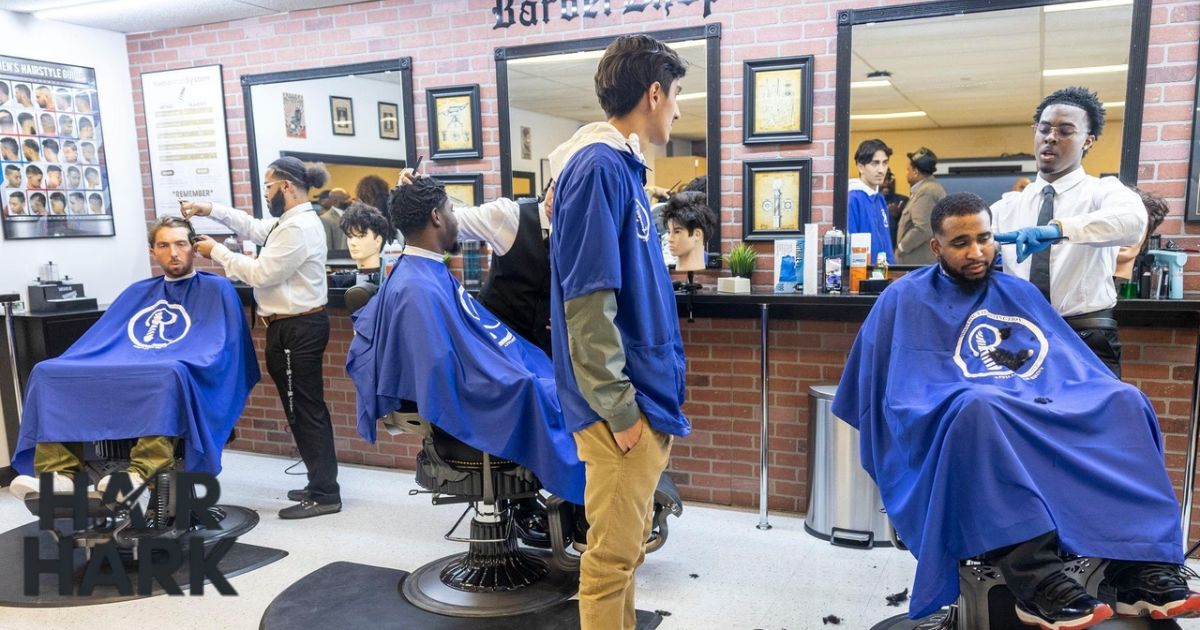
Then you’re into actual barber school curriculum for 6-18 months depending on your state’s hour requirements. You’ll complete both theoretical coursework and practical client work in the school’s training salon. This phase is where you build your portfolio, practice fades until your wrist cramps, and learn what actually works versus what looks good on Instagram. You’ll also prep for the state board exam during your final months, studying regulations and refining techniques under instructor supervision.
3. State Board Licensing (2-8 weeks)
After graduation, the barber state board exam process takes 2-8 weeks from application to results. You’ll tackle a written test covering theory, sanitation, and state laws—75% passing score in Illinois. Some states also require practical demonstrations where you perform cuts and shaves while examiners watch every move. Once you pass, you pay licensing fees ($50-200 depending on state) and officially become a certified barber ready to work.
4. Job Search and Career Launch (2-12 weeks)
The final stage is job hunting and building your initial clientele, which takes 2-12 weeks if you’re actively networking. Some students already have shop positions lined up before graduation. Others take time building portfolios, interviewing at multiple shops, and deciding between commission work versus booth rental. Your first month working will feel slow, but by month three most barbers have enough regulars to predict their weekly income.
What You Learn in Barber School: Comprehensive Curriculum
Barber haircut techniques dominate about 60% of your training hours. You’re not just learning one way to cut—you’re mastering clippers, scissors, texturizing, and about fifteen different fade variations. Men’s grooming skills extend beyond basic cuts into styling, product knowledge, and consulting with clients about what actually works for their hair type and lifestyle. You’ll practice clipper fade techniques hundreds of times on mannequins before touching real heads, then work on fellow students, then supervised clients.
Straight razor shaving training is its own specialized skill set requiring steady hands and serious safety knowledge. You’ll learn hot towel prep, lather application, and blade angles that give clean shaves without nicks. Beard trimming techniques have exploded in demand over the past decade. You’ll study facial hair growth patterns, symmetry, and how to sculpt everything from corporate stubble to competition-worthy designs. Chemical services like basic color and highlights round out your technical abilities, though barbering focuses way less on this compared to cosmetology.
Theoretical Knowledge (25% of curriculum)
You can’t just wing barbering—there’s actual science behind why hair behaves certain ways. Hair and scalp anatomy classes teach you about growth cycles, follicle structure, and why some guys go bald while others don’t. Chemistry matters when you’re mixing products or applying color. You’ll learn pH levels, how developers work, and which ingredients cause allergic reactions. Skin conditions and scalp disorders come up constantly in real client work. Knowing when to recommend seeing a dermatologist versus treating something yourself is crucial professional expertise.
Color theory applies even in men’s cuts when you’re blending grays or doing highlights. Understanding undertones prevents disasters. State laws and regulations consume more study time than you’d expect. Every state has different rules about sanitation, chemical use, and what services you can legally perform. Professional ethics covers client confidentiality, refusing service when appropriate, and handling difficult situations without burning bridges.
Business and Professional Skills (15% of curriculum)
Barber client consultation techniques determine whether someone becomes a regular or never returns. You’ll practice reading what clients actually want versus what they’re saying. Barber customer service training goes beyond being friendly—it’s managing appointments, handling complaints, and knowing when to comp a service to keep goodwill. Nobody teaches you how to upsell products without being pushy, but good programs cover retail techniques that feel natural.
Barber social media marketing is critical now. You need phone photography skills, hashtag strategies, and ways to showcase work that bring clients through your door. Basic business operations matter whether you’re booth-renting or opening your own shop. You’ll touch on accounting, inventory, pricing services competitively, and managing cash flow. Resume building and interview prep help you land that first position. Some schools connect students directly with hiring shops before graduation.
Also Read: How Much Does a Cosmetologist Make? | 2026 Career & Salary Guide
Financial Investment and Return Analysis
Let’s talk money honestly. Barber school tuition cost ranges from $3,000 at community colleges to $25,000 at specialty academies. Private trade schools typically run $8,000-$20,000, hitting the middle ground between cheap and premium. But tuition is just the start of your financial investment in this career.
Barber School Costs Breakdown
Your barber tool kit cost adds another $1,000-$3,000 depending on quality. Cheap clippers die fast, so most students invest in Wahl or Andis professional-grade equipment that’ll last years. Textbooks and materials run $300-800, though some schools include these in tuition. Barber license fees for the state exam range from $75-250, plus another $50-200 for your actual license once you pass.
Barber continuing education requirements in many states cost $200-500 annually to maintain your license. Some states mandate specific hours every renewal period. Total upfront education cost realistically lands between $4,500-$29,000 depending on your choices. Barber school financial aid options include federal grants, state programs, and private loans. Many schools offer payment plans spreading costs across your training period.
Return on Investment Analysis
Entry-level barbers (0-1 years) typically make $25,000-$35,000 annually, though this climbs fast with experience and hustle. Experienced barbers (2-5 years) average $35,000-$50,000 yearly, and that’s before adding tip income which significantly boosts take-home pay. Established barbers (5+ years) pull $45,000-$80,000+ depending on location, specialties, and whether they’ve built a loyal following.
The barber career break even time usually hits within 2-3 years. Spend $15,000 on school, and you’ll likely recoup it by year three through increased earnings. Master barber salary averages around $54,407, with specialists in straight razor work or vintage styles commanding premium pricing. Barber shop owner income ranges from $60,000-$150,000+ annually, though this requires years of experience plus business management skills.
Payment Methods and Income Potential
Barber commission vs booth rental represents your biggest career decision after licensing. Hourly employees make $13-25/hour plus tips with zero overhead but limited upside. Commission-based positions give you 40-60% of service fees, rewarding speed and customer loyalty without facility costs. Booth rental barbers pay $100-400 weekly for chair space but keep every dollar they earn—best for established barbers with existing clients.
Barber tips income typically adds 15-25% to your base, sometimes more in upscale shops or if you’re exceptional at building rapport. Retail product sales earn additional commission, usually 10-20% when you sell pomades, beard oils, or styling tools to clients. Your barber earning potential ultimately depends on speed, skill, personality, and willingness to market yourself consistently.
Career Opportunities and Job Market Analysis

Barber job growth rate sits at 7% through 2033 according to BLS data—faster than average across all occupations. The men’s grooming industry growth is driving this expansion as guys spend more on personal care than previous generations. You’re entering a field with roughly 89,100 job openings annually when you factor in retirements and industry expansion.
Employment Outlook (2023-2033)
Current employment stands around 88,000+ barbers nationwide (not the incorrectly stated 12,880 in some outdated sources). Barber demand in the US keeps climbing as traditional barbershops make a cultural comeback after decades of decline. Young men specifically are seeking the barbershop experience—not just a haircut but a community space and grooming ritual.
Retirement of aging barbers creates openings in established shops with existing clientele bases. Rising disposable income means more guys treat haircuts as regular investments rather than budget line items. Traditional barbering services like straight razor shaves are experiencing renewed interest, creating niches for specialists.
Career Paths and Specializations
Full-service barbershops remain the primary employment options, ranging from strip-mall budget shops to upscale downtown establishments. High-end men’s salons and hotel spas offer premium wages plus tips, though they expect advanced skills and polished customer service. Military base barbershops provide steady work with benefits, though stylistic creativity is limited by regulation cuts.
Mobile barber services are booming, letting you bring services to clients’ homes, offices, or events—lower overhead, flexible scheduling. Barber entrepreneurship opportunities include opening your own shop once you’ve built experience and capital, with potential for multiple locations later. Some barbers transition into education, becoming instructors at schools with stable pay and benefits.
Platform artist positions with product brands let experienced barbers travel doing demonstrations and training—great for extroverts who love performing. Competition barber career paths exist for the ultra-skilled, with contests offering prize money and industry recognition. Product sales representatives need barbering backgrounds to effectively pitch tools and supplies to shops.
Barber vs. Cosmetology: Making the Right Choice
People constantly confuse these two paths. Barber vs cosmetology comes down to focus, not quality or earning potential. Barbering career vs cosmetology means choosing between specialization (barbering) versus versatility (cosmetology). Both are solid vocational prospects, but they lead to different daily work experiences and client demographic types.
Key Differences
Barber training vs beauty school differs significantly in hours required (500-1,800 for barbers versus 1,000-2,000 for cosmetology). The course length averages 6-18 months for barbering compared to 9-24 months for full cosmetology programs. Services taught vary dramatically: barbering emphasizes men’s grooming career skills like fades and shaves, while cosmetology covers hair, nails, skin, and makeup.
Your target customers differ too. Barbers work primarily with male clients seeking cuts, shaves, and beard work. Cosmetologists serve all genders with broader service menus including color, perms, extensions, nails, and facials. Equipment needs differ—barbers master clippers and razors while cosmetologists manage extensive tool collections.
Choose Barbering If You:
You’re drawn to precision cutting and enjoy the technical challenge of perfect fades and sharp lines. Working primarily with men appeals to you, and you like the straightforward barbershop atmosphere versus salon culture. Straight razor shaving training excites you as a specialized craft with tradition and technique.
You want shorter, focused barber training that gets you working faster than broader cosmetology programs. Traditional barbershop vibe—music, conversation, community space—feels like where you belong. Men’s grooming skills and staying current on male styling trends genuinely interests you more than broader beauty services.
Consider Cosmetology If You:
Career flexibility matters and you want options to work in salons, spas, film, fashion, or multiple settings. You’re genuinely interested in chemical services like color, highlights, perms, and keratin treatments. Working with diverse clients across genders and ages sounds more appealing than primarily male clientele.
Broader service options mean more ways to increase income through nails, facials, waxing, and makeup. You enjoy variety in daily tasks versus the focused repetition of cuts and shaves. The extra training time doesn’t concern you since you want comprehensive beauty professional skills anyway.
State-Specific Requirements and Considerations
Every state sets its own state licensing requirements, which is why research matters before you enroll anywhere. Regulatory needs aren’t suggestions—they’re legal prerequisites that determine whether you can legally work. Illinois has specific rules that differ from neighboring states, affecting your certification test process and licensing.
Illinois Barber Licensing Requirements
Illinois demands exactly 1,500 hours at a state-approved school, or alternatively 3,000 hours through an apprenticeship program. You must be 17 years minimum and provide proof of high school diploma or GED equivalent. The exam process requires passing a written qualification exam only—Illinois doesn’t currently mandate practical demonstrations, unlike many states.
You need 75% or higher to pass, covering theory, regulations, safety protocols, and sanitation standards. Initial licensing costs $50, with renewals every two years at the same price plus a $25 penalty if you’re late. Compulsory criteria include completing your full hours with verified attendance records from your school.
Reciprocity and License Transfer
Barber license transfer reciprocity between states varies dramatically. Some states accept Illinois licenses with minimal extra requirements while others demand re-testing. Moving to a new state usually requires applying for “license by endorsement” and providing proof of your current valid Illinois license. You’ll likely need to pass that state’s specific law exam covering their unique regulations, even if you’re licensed elsewhere.
Legal prerequisites include submitting to background checks in most states and paying new licensing fees. Always verify current reciprocity agreements before relocating—they change and outdated information causes problems. Some states require additional continuing education hours beyond what Illinois mandates, so check those mandatory conditions early.
Accelerating Your Barber School Journey

Want to finish faster? Fast track barber program options exist if you can handle intense scheduling. Accelerated barber school paths work for motivated students who can commit 40+ hours weekly without other major obligations. You’re compressing the same learning into less calendar time, which means more daily pressure but quicker entry to earning.
Fast-Track Options
Intensive barber training schedules pack 40+ hours into each week, letting you complete 1,500 hours in 8-9 months instead of 12. Some schools offer summer intensives where students knock out major hour requirements during the break season. Credit for previous experience sometimes applies. Cosmetology license holders may get reduced hours in some states.
Military grooming experience occasionally counts toward training hours depending on state rules and documentation. Evening barber classes and weekend barber school options exist specifically for working students, though they extend your overall timeline. Hybrid barber education combining online theory with in-person practical work emerged after COVID and offers more barber school flexibility.
Success Strategies
Perfect attendance isn’t optional if you’re serious about finishing on time. Missing days means making up hours later. Stay ahead on assignments and seek extra practice time beyond scheduled classes—instructors notice and often provide additional guidance. Network actively with classmates and alumni who can connect you to job opportunities before you even graduate.
Attend industry events and trade shows to meet shop owners and stay current on trends. Follow local barbershops on social media and engage with their content—it shows genuine interest when you later apply. Practice outside class hours, even if it’s just clipper work on friends or family building your confidence and speed.
How Long Does It Take to Get a Barber License?
From enrollment day to holding your official barber license typically spans 8-12 months in Illinois if you’re full-time. That includes completing your 1,500 training hours, passing the state license test, and waiting for your actual license to arrive. Part-time students stretch this to 12-18 months, but they’re earning income elsewhere while training.
The licensing test itself isn’t the time-consuming part—it’s scheduling it after graduation, taking it, waiting for results, then processing paperwork. Some students pass immediately while others need retakes, which adds weeks or months to the timeline. Once licensed, you can legally work in any Illinois barbershop, salon, or booth rental situation.
Can You Become a Barber Faster?
Short answer: not really, because state qualifications are fixed by law. Illinois won’t license you with 1,200 hours no matter how talented you are. However, you can control how quickly you accumulate those required 1,500 hours through schedule intensity. Attending 40 hours weekly versus 20 hours weekly literally cuts your calendar time in half.
Accelerated options exist at some schools offering flexible scheduling that lets you pile on hours when your life allows it. Missing class is your enemy—every absence pushes your completion date back proportionally. Passing your board examination on the first attempt saves weeks compared to needing retests and rescheduling.
Barber School vs. Cosmetology School: What’s the Difference?
This question shows up constantly because people see overlap and get confused about which path to choose. Both teach foundational hair skills and applied learning through hands-on client work, but they serve completely different markets. Barbering trade career paths specialize in men’s services while cosmetology casts a wider net across beauty services.
Barber school focuses heavily on clipper fade techniques, beard sculpting, straight razor shaves, and classic men’s cuts. Cosmetology covers hair cutting for all genders plus color chemistry, nail care, skincare treatments, waxing, and makeup application. If your passion is perfecting fades and building a traditional barbershop vibe, barbering is your path—don’t waste time on broader cosmetology training you won’t use.
What Happens After Barber School? (Career Outlook)
You’re not stuck in one lane after licensing. Barber career path options range from traditional employment to complete entrepreneurship. Most new barbers start in established shops learning client management and speed while building their following. Within 2-3 years, many transition to booth rental for more income control or open their own shops.
Traditional barbershops, upscale men’s lounges, hotel spas, and resort facilities all hire licensed professionals regularly. Freelance and mobile barber services work great for barbers who’ve built loyal clients willing to pay premium for convenience. Career stability in barbering is solid—people always need haircuts regardless of economic conditions.
The BLS projects barber job outlook growth at 7% through 2033, driven by increased interest in men’s grooming and traditional services. Younger generations are embracing barbershop culture again, meaning steady demand for skilled barbers who understand both classic and modern techniques. Your income grows with your reputation, making this one of few trades where personality and skill directly control your earning ceiling.
How to Choose the Right Barber School
Not all programs deliver equal value. Check state approval first—unlicensed schools waste your time and money since you can’t sit for licensing exams. Visit campuses in person. Watch classes, talk to current students, ask about job placement rates and graduate outcomes. Instructor credentials matter more than fancy facilities. Learn from working barbers who still cut hair, not just teachers who haven’t held clippers in years.
Class size affects how much individual attention you’ll receive during workshop sessions. Smaller cohorts mean more instructor feedback. Equipment quality signals school investment in student success. Outdated clippers and poor workstations indicate corners being cut elsewhere too. Ask about clinic hours where you work on real clients—this experiential training separates competent graduates from exceptional ones.
Final Words
Barber school duration in Illinois runs 10-12 months full-time, getting you licensed and working within a year. Your total study expenses range from $4,500-$29,000, but most barbers recoup this within their first 2-3 years working. The job outlook is strong with 7% projected growth, and your income potential increases dramatically once you build a loyal customer group.
This career rewards skill, personality, and hustle more than most trades. You’re not stuck at a wage ceiling—your earnings grow with your reputation. Perfect for people who enjoy working with their hands, connecting with clients, and building something tangible every single day. Research schools thoroughly, choose your schedule based on real financial needs, and commit to finishing strong. The barbering world needs talented people who take the craft seriously.