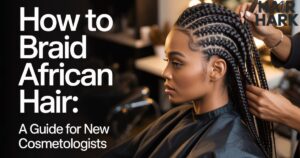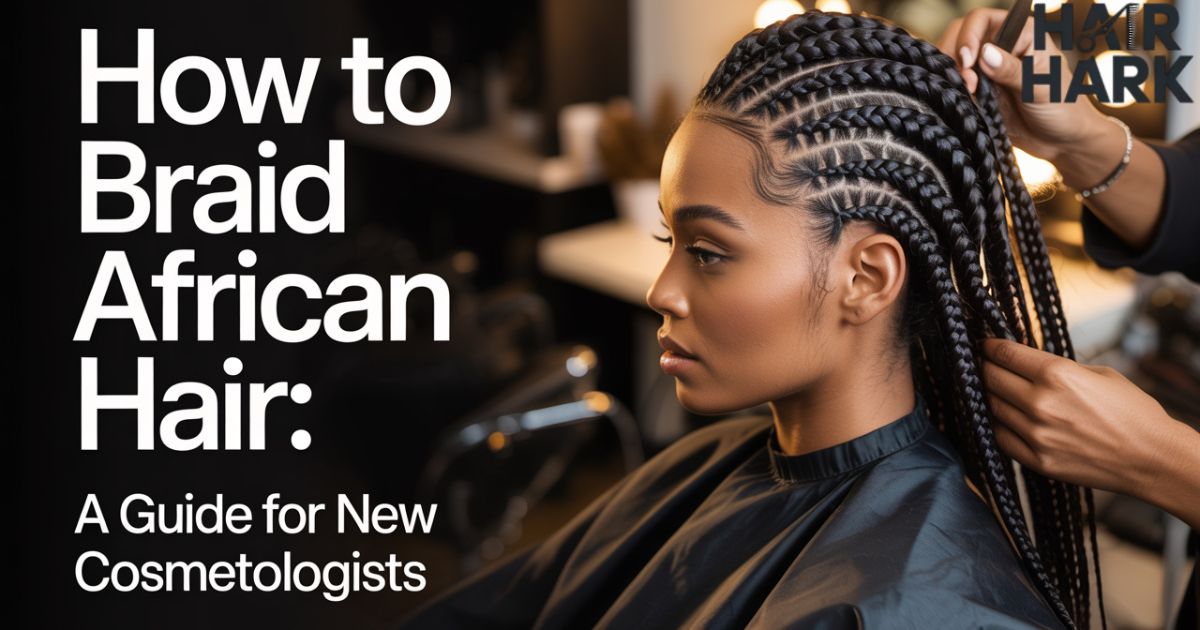
African hair braiding techniques aren’t just another skill to add to your resume. They’re your ticket to serving clients who’ve been turned away from salons for years because stylists didn’t know how to work with textured hair. Learning professional hair braiding opens doors to a clientele that’s loyal, vocal about great service, and willing to pay premium rates for someone who actually gets it.
I’ve watched cosmetology students transform their careers by mastering braiding African hair. One student went from barely paying rent to booking out three weeks in advance within six months of learning knotless braids technique and box braids tutorial methods. That’s not luck—that’s meeting a massive demand that most beauty professionals still ignore.
Why African Hair Braiding is a Skill Every Cosmetologist Should Learn
Walk into any major city salon and you’ll notice something. Half the hairstylists can’t handle natural hair braiding requests, which means they’re turning away money every single day. Cosmetology career paths that include braiding hair professionally consistently outpace traditional cutting and coloring in both demand and pricing power.
The beauty industry is finally catching up to what Black women have known forever—protective hairstyles aren’t optional. They’re essential for hair growth protection and maintaining healthy natural hair practices. When you learn hair braiding for beginners properly, you’re not just picking up a technique; you’re becoming someone’s go-to person for hair care tips they can’t get anywhere else.
Here’s what changed for me after I committed to cosmetology training hair that included cultural hair styling. My client retention shot up because people felt respected, not like an experiment. Client trust in hairstyling matters more than fancy scissors or expensive products—and mastering textured hair braiding shows you care enough to learn their specific needs.
Braids in the Spotlight: Pop Culture, Trends & Social Media
Beyoncé’s Renaissance tour brought cornrow braiding method back into mainstream conversation. Zendaya’s red carpet looks featuring intricate braid patterns and designs get millions of views within hours. Social media trends on Instagram and TikTok showcase everything from Fulani braids to Senegalese twists, creating constant demand for salon braiding services.
The younger generation treats braids as self-expression mixed with honoring their heritage. Influencer culture pushes new variations weekly—last month it was colored knotless braids, this month it’s bohemian box braids with curly ends. Hairstyle tutorials rack up millions of views because people want to understand the artistry behind each protective hairstyle.
What this means for your cosmetology career: you need to stay current. Follow Black hairstylists who actually create these trends, not just the ones copying them. YouTube channels dedicated to braiding techniques will teach you more than most beauty school programs ever will about real-world client expectations.
How To Prepare the Hair for Braiding: The Foundation of a Great Style
Hair preparation for braiding determines whether your work lasts two weeks or two months. I’ve seen beautiful braids fall apart in days because the stylist skipped proper prep. Start with sulfate-free shampoo to cleanse without stripping essential oils that textured hair desperately needs.
Detangling textured hair requires patience, not force. Grab a wide-tooth comb and work from ends to roots, section by section—rushing this step causes breakage that your client will blame you for later. Apply leave-in conditioner for braids while the hair’s still damp, focusing on ends that dry out fastest.
Stretching makes everything easier, especially for tight cornrow braiding method work. The banding method for hair stretching uses hair ties wrapped down the length of each section to elongate curls without heat damage. Alternatively, low heat blow drying with a tension method works, but always use heat protectant and keep the dryer moving to prevent hot spots that fry hair.
Technique Nr. 1: Cornrows
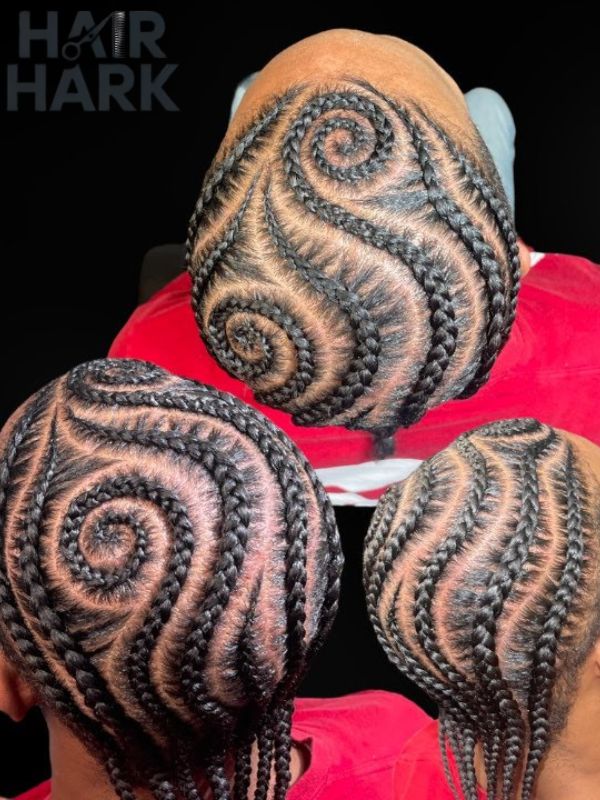
Cornrows hug the scalp in rows that can run straight back, curve artistically, or create geometric patterns. They’re foundational to almost every other braiding technique you’ll learn. The cultural significance runs deep—cornrows were used to map escape routes during slavery, making them both art and survival.
Start with clean braid sections using a rat-tail comb for precise partings. Take a small section at the hairline, divide into three strands, then braid under (not over) while adding hair from the scalp with each stitch. Low-tension braiding matters here—tight cornrows cause traction alopecia, which is permanent hairline damage that destroys trust faster than anything else.
Edge control for braids keeps your clean braid partings looking professional for weeks. Apply it sparingly to baby hairs and edges, smoothing with a small brush or your finger. Clients will judge your entire skillset based on how neat those first two inches look, so don’t rush this part.
Technique Nr. 2: Box Braids
Box braids section hair into squares or rectangles, creating individual braids that hang freely. They’re perfect for clients wanting long-lasting braids that offer styling versatility. You’ll use synthetic hair braiding extensions to add length and fullness—Xpression and FreeTress are brands clients request most.
Part hair into clean boxes using your rat-tail comb—consistency in section size matters for a polished final look. If you’re adding extensions, fold the braiding hair extensions and place them at the root before dividing into three strands. Tension-free braiding styles start light at the root and firm up slightly as you braid down, preventing the headache complaints that kill your referrals.
Seal synthetic ends by dipping them in hot (not boiling) water for 2-3 seconds—this is braid sealing with hot water that prevents unraveling. Alternatively, clients who want to reuse their hair prefer small rubber bands at the ends instead. Add braid accessories beads cuffs for personalization that makes your work Instagram-worthy and gets you tagged in posts that bring new clients.
Technique Nr. 3: Two-Strand Twists
Two-strand twist hairstyle options work beautifully on shorter natural hair or as a quicker alternative to braids. You’re literally twisting two sections around each other from root to tip. The simplicity makes this perfect for hair braiding for beginners, but the results still look polished and professional.
Section hair based on desired fullness—smaller sections create more defined twists, larger sections work faster for clients on a budget. Apply a twisting cream or butter for hold and shine, then twist each section tightly from scalp to ends. The technique requires consistent tension; loose spots will unravel within days and make you look amateur.
Here’s the bonus: twist-out hairstyles happen when clients unravel these after a few days. The result is voluminous, defined curls that last another week. Teaching clients this styling option adds value to the service and positions you as someone who thinks beyond the immediate appointment.
Also Read: How Long Is Barber School? Complete Timeline & Guide In 2026
Technique Nr. 4: French Braids
French braids on black hair require adaptation from the traditional technique most cosmetology students learn on straight hair. Textured hair needs more moisture, gentler tension, and products that control frizz control for braids without weighing down the style. The result is elegant and polished, perfect for clients wanting something professional for work environments.
Start at the crown with a small three-strand section, braiding over (unlike cornrows which go under) while incorporating hair from each side as you work down. Keep your hands close to the scalp and maintain even tension—too tight causes pain and damage, too loose looks messy by day two. Finish at the nape and continue braiding the remaining length, securing with a small elastic that matches the hair color.
Apply edge control and a light oil spray to tame flyaways without creating buildup. French braids work best on stretched or blown-out hair rather than shrunken coils. This style typically lasts 5-7 days with proper braided hair aftercare, making it ideal for clients wanting shorter commitment styles.
Technique Nr. 5: Knotless Braids
Knotless braids technique changed the game for scalp-friendly braids that don’t cause tension headaches. Traditional box braids start with a knot of extension hair at the root, creating immediate tension. Knotless braids begin with your client’s natural hair, gradually feeding in extensions as you braid down—the weight distributes evenly instead of pulling from one point.
Start each section with just natural hair divided into three strands. Braid 2-3 stitches, then begin adding small amounts of extension hair to each strand before crossing. This gradual incorporation creates natural-looking braids at the root that could pass for the client’s own hair growth.
The technique takes longer than traditional box braids, which justifies charging 20-30% more for the service. Clients happily pay the premium because knotless braid benefits include less scalp tension, more comfortable sleep, and styles that last 6-8 weeks without the painful pulling. These are your signature service if you want to build a reputation for healthy hair braiding practices that prioritize client comfort.
Common Mistakes That Damage Hair and Your Reputation
Traction alopecia prevention should haunt your dreams if you’re serious about becoming a trusted braider. This permanent hair loss happens when constant tension damages follicles—and it’s 100% preventable by keeping braids comfortably snug, not painfully tight. If your client’s eyes are pulling back from tension, you’re braiding too tight and causing damage she’ll blame you for months later.
Skipping scalp health in braiding prep ruins even the most beautiful work. A dry, flaky scalp itches unbearably and forces clients to take down braids early, wasting everyone’s time and money. Always recommend clients use moisturizing braided scalp oil or spray between washes—demonstrate the application technique so they don’t mess up your neat parts.
Leaving braids in too long causes matting at the roots that’s painful to detangle. Long-term braid maintenance maxes out at 8 weeks for most styles, 6 weeks if the hair grows fast. Educate clients about proper timing for takedown appointments—building this into your booking system prevents the emergency calls about tangled messes.
How To Take Care of Braided Hair
Braided hair aftercare separates stylists who get one-time clients from those with waitlists. Hand your client a printed care sheet—don’t just verbally explain and hope they remember while sitting in your chair exhausted. Satin bonnet for braids prevents friction that causes frizz and extends style longevity by weeks.
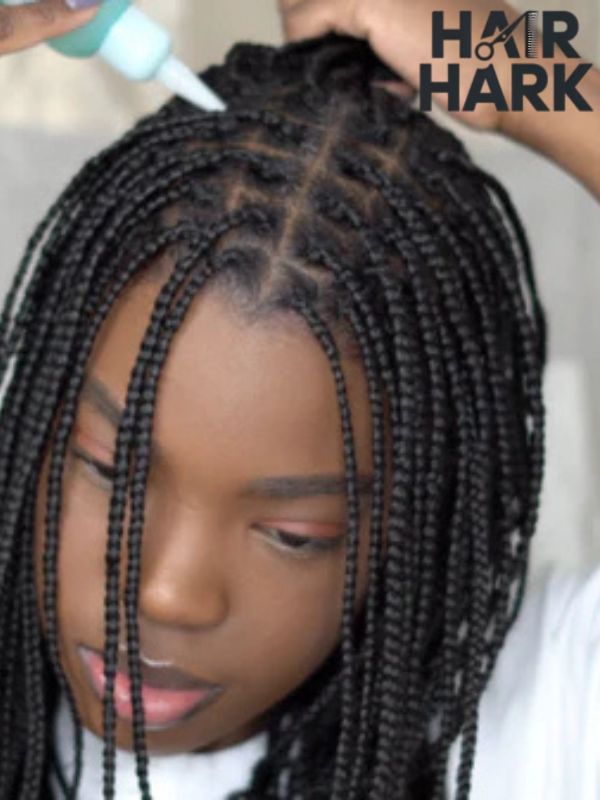
Scalp care matters more than the braids themselves for client comfort. Mix water with a few drops of tea tree oil in a spray bottle for refreshing relief between wash days. Clients should focus the spray on their scalp, not saturating the braids, then massage gently to distribute natural oils.
Washing doesn’t mean destroying your work—dilute shampoo with water in an applicator bottle and apply directly to the scalp in sections. Rinse thoroughly, gently squeezing braids from root to tip without aggressive rubbing. Follow with a light oil on the length of braids while they’re still damp to lock in natural hair hydration.
FAQs about African Hair Braiding
How long does it take to learn professional braiding? Basic competency takes 3-6 months of consistent practice, but mastering scalp-friendly braids that clients rave about requires a year of regular work on diverse hair types.
Can you braid hair that’s only 2-3 inches long? Yes, cornrows and two-strand twists work on very short hair, though you won’t achieve the length that comes with extensions.
What’s the best synthetic hair for sensitive scalps? Pre-stretched braiding hair causes less tension and comes already softened, reducing the itchy scalp complaints common with regular synthetic options.
How much should new cosmetologists charge for braids? Start 20% below market rate in your area while building speed and reputation, then raise prices as your portfolio grows—undervaluing your work long-term hurts the entire industry.
Final Thought
African hair braiding builds careers, not just hairstyles. The beauty industry desperately needs more cosmetologists who view textured hair care as a specialty worth mastering, not an inconvenience to avoid. Your willingness to learn these techniques properly signals respect for cultural significance and opens revenue streams most stylists never tap into.
Start with one technique until you’re confident, then expand your offerings. Practice on mannequins, volunteer models, and anyone patient enough to sit while you develop speed. The clients are out there searching for you right now—they’re just waiting for a stylist who finally knows what they’re doing with protective styles for black hair.