Cowlicks drive you crazy every morning when you’re trying to look presentable. That stubborn patch of hair sticks straight up no matter how much water or gel you throw at it.
Here’s the truth: you can’t fight your cowlick, but you can work with it. The secret isn’t cutting it off or drowning it in product—it’s understanding how your hair’s natural flow actually works.
I’ve spent twelve years behind the barber chair watching guys struggle with the same issue. They come in frustrated, asking me to buzz off their crown because nothing else works.
But here’s what I tell them: your cowlick control strategy needs to change completely. Stop battling against the direction your hair wants to go and start cooperating with it.
Think of your cowlick like a river current—you can’t reverse it, but you can redirect it. Once you figure out which way that current flows, styling tips become ten times easier.
Let’s talk about how to tame your cowlick.
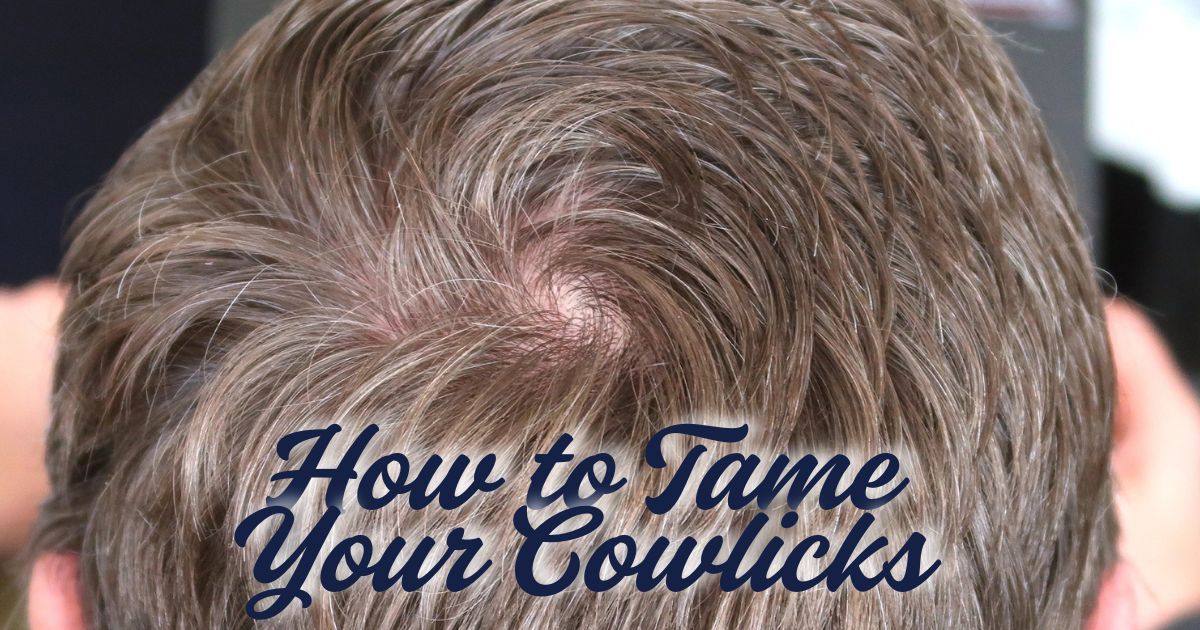
Your cowlick isn’t your enemy—it’s just hair growing from a cowlick focal point where follicles spiral outward. Every single person with hair has at least one, usually at the crown or along the hairline.
The biggest mistake? Combing against the spiral and wondering why everything goes haywire. Managing unruly hair starts with locating that central spot where everything radiates from.
Picture a hurricane’s eye—calm in the middle with everything swirling around it. Your cowlick works exactly the same way, and once you find that cowlick origin, half your battle’s won.
Step one:
Find the center of cowlick by running your fingers through damp hair in different directions. You’ll feel where the hair naturally wants to swirl or stand up—that’s your target zone.
Get a handheld mirror if it’s at the back of your head because you can’t style what you can’t see. The cowlick core usually sits slightly off-center from your actual crown, not dead middle.
Look for the spot where hair radiates outward like bicycle spokes from a wheel hub. This central cowlick determines every directional hair decision you’ll make from here on out.
Step two:
Grab your blow dryer while hair’s still 70% wet—not soaking, not bone dry. Heat styling at this moisture level lets you reshape the hair pattern before it sets.
Point the airflow in the direction your cowlick naturally wants to lay, following that spiral motion. If hair’s sticking up like a middle finger, you’re blow drying against the grain—flip your direction.
Use a round brush for longer styles or just your fingers for shorter cuts. The goal isn’t to force anything—it’s about guiding your hair texture into its happy place while drying techniques lock it down.
Step three:
Apply a strong-hold product immediately after drying because hair holds its shape when it cools. Work the product through using the same spiral motion you discovered in step one.
Start from the cowlick center area and comb outward, letting hair wrap around that focal point naturally. If you see spikes popping up, you’ve reversed direction—circle back the other way for proper cowlick maintenance.
Your hair movement should look smooth and intentional, not like you got electrocuted. This hair texture guide approach works whether you’ve got thick, coarse, or fine hair—the principle stays identical.
Understanding Your Hair’s Natural Direction
Your hair natural flow isn’t random—it’s programmed into your scalp from birth. Some guys have clockwise spirals, others go counterclockwise, and a few unlucky souls have multiple directions fighting each other.
Hair management gets easier when you accept that you can’t reprogram genetics. Your follicles grow at specific angles, and trying to force them backward causes that awful spiked look.
Check your natural hair direction when it’s wet and product-free for the clearest view. Wet hair shows its true intentions without styling interference messing up your read.
Also Read: Haircut & Style – The Middle Part
Heavy hold products
Not all styling products are built for controlling hair that’s got a mind of its own. You need something with serious grip—think firm hold that survives wind, sweat, and a full workday.
Heavy hold pomade works great if you want shine and easy reapplication throughout the day. Hair wax gives you that matte finish with strong structure, perfect for textured styles.
I’ve seen guys waste money on light-hold gels wondering why their hair tufts won’t cooperate. Maximum hold hair gel can work, but it often flakes or turns crunchy if you run your fingers through it.
Professional hair hold products designed for barbers cost more but deliver consistent results without buildup. Look for barber-grade hair products that specifically mention sweat-resistant or humidity-proof hair styling on the label.
Water-based vs oil-based hold matters depending on your lifestyle and washing routine. Water-based stuff rinses out easily but might not survive intense humidity like oil-based long-lasting hair hold formulas do.
My personal recommendation? Extreme hold hair wax for shorter styles and firm hold styling cream for anything past three inches. Both offer all-day hair hold without that greasy feeling cheap products leave behind.
Non-greasy strong hold products exist—you just have to read ingredients and avoid anything with mineral oil listed first. Matte heavy hold product options work best for modern textured cuts, while shiny heavy hold gel suits slick back looks.
Best Products for Different Hair Types
Thick hair hold solution needs something with density and weight to actually penetrate through all those strands. Clays and sculpting hair product formulas work better than lightweight mousses that just sit on top.
Styling products for coarse hair should have butters or oils in the first three ingredients for proper grip. Fine hair guys need high control styling product that won’t weigh everything down flat.
Men’s heavy hold styling typically focuses on structured looks—pompadours, quiffs, side parts. Women’s strong hold product options often prioritize flexibility and touchable texture over cement-like stiffness.
The hold level comparison on packaging helps—look for level 4 or 5 if you’re serious about cowlick control. Anything below level 3 won’t cut it for fix hair tufts situations where you need real muscle.
Common Mistakes That Wreck Your Results
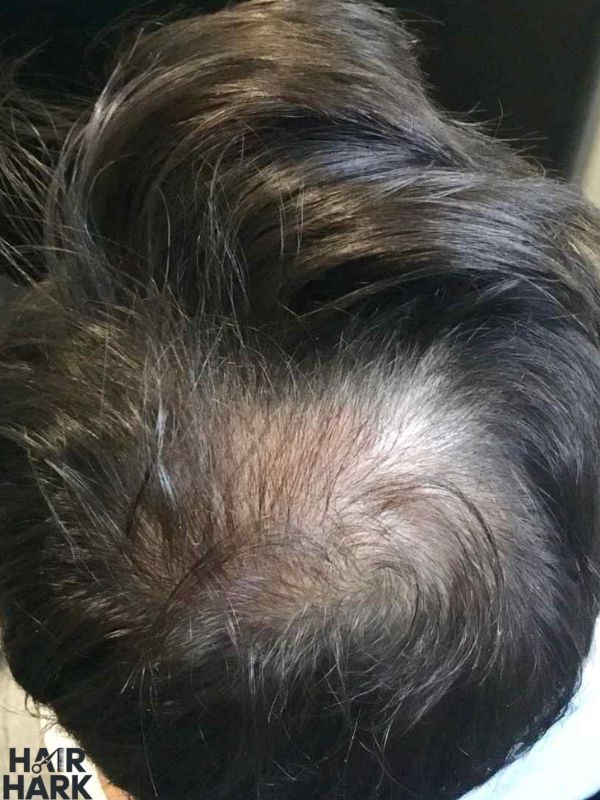
Cutting your cowlick super short guarantees hair spike prevention becomes impossible until it grows back. Short hair doesn’t have enough length to bend and lay flat—it just stands at attention like a salute.
Your barber shouldn’t be chopping off your crown trying to eliminate the problem surgically. That destroys haircut proportions and makes your head shape look odd from behind.
Product buildup prevention requires washing your hair properly every few days, not just rinsing with water. Old product mixed with new product creates a gross, flaky mess that ruins any styling control and durability.
Don’t ask for barber advice then completely ignore it because some YouTube guy said something different. Every head’s unique, and what works for someone with straight fine hair won’t work for your coarse wavy situation.
Lifestyle Factors That Affect Hold
Active lifestyle guys need stiff hold hair formula that survives gym sessions and outdoor work. Regular office workers can get away with flexible vs rigid hold products that feel more natural.
Daily use styling products should wash out cleanly without requiring clarifying shampoo every single time. No-reapply hair hold sounds great in theory, but most products need a touch-up after eight hours.
Humidity destroys weak products faster than anything else—humidity-proof hair styling isn’t marketing hype if you live somewhere sticky. Salon-quality hair products generally outperform drugstore options in extreme weather conditions.
Final Thoughts
Taming your cowlick isn’t about domination—it’s about negotiation and cooperation. Find that spiral pattern, work with it instead of against it, and invest in professional-grade styling tools.
Your hair texture compatibility with the right styling product selection makes the difference between looking sharp and looking like you just rolled out of bed. Stop trying to force your comb cowlick flat and start guiding it into a natural, intentional shape.
The grooming recommendations I’ve shared come from thousands of haircuts and countless frustrated clients who finally figured it out. Your cowlick doesn’t need to be your daily curse—it just needs better texture management and some respect.