The internet moves fast. One day you’re scrolling through TikTok. The next, everyone’s talking about the ninja low taper fade. This viral meme exploded across social media platforms. But here’s the twist—it actually made people want the haircut.
What started as internet humor became a legitimate hairstyle trend. Fans photoshopped images. Barbers saw increased requests. The meme culture phenomenon proved something important. Sometimes jokes become reality.
What Is a Low Taper Fade?
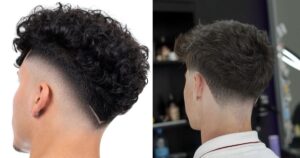
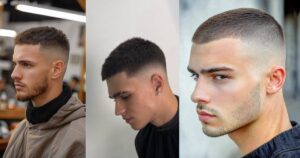
Let’s break down the basics first. A low taper fade is a subtle haircut. The fade starts near your neckline and sideburns. Hair gradually shortens in that specific area. Unlike high or mid fades, it’s understated.
Barbers love this hair fade technique for good reason. It works with multiple hair types seamlessly. The cut pairs perfectly with curls, waves, and twists. You get a polished modern look without extreme styling. Most face shapes benefit from this approach. Daily maintenance barely takes five minutes.
The technique creates a clean-cut hairstyle. You get that sharp fade without going extreme. Modern barbershop styles rely heavily on this approach. It’s professional yet contemporary—a winning combination.
Cost and maintenance breakdown:
| Aspect | Details |
| Price Range | $25-$60 in USA barbershops |
| Time Required | 45-60 minutes |
| Touch-ups Needed | Every 2-3 weeks |
| Daily Styling | Under 5 minutes |
This subtle fade originated in Black barbershop culture. It evolved into mainstream grooming over decades. Hip-hop artists and athletes popularized the style. Now it’s everywhere—from boardrooms to basketball courts. The versatile haircut adapts to any environment effortlessly.
Imagine If Ninja Got a Low Taper Fade
The phrase went nuclear on social media. “Imagine if Ninja got a low taper fade” spread like wildfire. Fans started speculating about Tyler Blevins’ potential transformation. The online personalities meme gained unstoppable momentum.
Why this specific ninja meme worked so well:
- Absurd visual contrast – Ninja rocks colorful hair
- Gamer culture meets barbershop culture – Unlikely pairing
- Speculative fan edits sparked creativity
- Comedic exaggeration hit the right nerve
TikTok became the primary incubator. Twitter amplified through quote tweets. Discord servers spread the funny internet joke further. The meme community couldn’t get enough.
Photoshopped images flooded timelines immediately. Some looked surprisingly professional. Others were intentionally crude for laughs. The internet humor came from imagining this unlikely scenario.
“The best memes make you question reality while laughing.” – Digital culture observer
Meme audio clips added another dimension. People created “imagine if ninja got a low taper fade lyrics” tracks. Sound bites became TikTok trends. Reaction videos and duet chains multiplied exponentially.
The Ninja Low Taper Fade Meme Explained
One image broke the internet completely. The “ninja low taper fade face” edit looked hyperrealistic. People genuinely questioned its authenticity. Was this real or AI-generated images?
Telltale signs it was AI:
- Jawline seemed impossibly perfect
- Hairline precision exceeded human capability
- Lighting had subtle inconsistencies
- Professional barbers spotted unnatural elements
FaceApp edits and AI render memes created this hyperreality aesthetic. Tools like Midjourney and DALL-E enable anyone to create convincing fakes. The AI-enhanced face edits looked salon-perfect.
This image manipulation culture blurs fantasy and reality. We want to believe these hyper-stylized face edits are real. That tension fuels engagement. Digital satire works best when it’s believable.
Ninja Low Taper Fade Face: Real or AI?

One image broke the internet completely. The “ninja low taper fade face” edit looked hyperrealistic. People genuinely questioned its authenticity. Was this real or AI-generated images? The debate raged for days.
The hyper-stylized face showed impossible perfection. His jawline seemed impossibly chiseled. The hairline precision exceeded human capability. Lighting had subtle inconsistencies throughout. Professional barbers spotted unnatural elements immediately. The sharp razor fade looked too perfect.
FaceApp edits and AI render memes created this hyperreality aesthetic. Tools like Midjourney and DALL-E enable anyone to create convincing fakes. The AI-enhanced face edits looked salon-perfect. Even skeptical viewers paused. The quality exceeded typical meme standards.
This image manipulation culture blurs fantasy and reality deliberately. We want to believe these edits are real. That tension fuels engagement exponentially. Digital satire works best when it’s believable. The line between joke and possibility dissolves.
The fantasy haircut visuals sparked broader conversations. How much do we trust images now? Can we believe anything online? The ninja haircut meme accidentally raised important questions. Digital literacy matters more than ever.
| Benefit | Why It Matters |
| Versatility | Transitions from gym to office |
| Cost-Effective | Less product needed |
| Time-Saving | Quick morning routine |
| Social Perception | Projects style awareness |
Also Read: Hispanic Long Hair Taper Fade: A Stylish Blend of Culture and Modern Hair Trends
Why the Low Taper Fade Works—Even in Memes
Strip away the jokes. The low fade aesthetic genuinely appeals. Even meme-driven hairstyle craze participants admit it looks good. The grooming trend has substance behind the humor. You can’t fake genuine style appeal.
The low-maintenance hairstyle saves morning time significantly. It’s professional enough for any workplace. The universal haircut appeal crosses demographics easily. Your Instagram photos improve from every angle. Weather resistance beats complex styles consistently.
The subtle fade creates visual satisfaction automatically. Clean lines enhance bone structure naturally. Your face shape benefits from proper framing. First impressions improve with polished grooming. Social perception shifts when you look sharp.
Barbershop styles offer social currency now. Young men understand grooming’s importance finally. The grooming plus humor fusion made this haircut desirable. Instagram aesthetics meet real-world functionality. Style-conscious guys want both aspects.
| Benefit | Why It Matters |
| Versatility | Transitions from gym to office |
| Cost-Effective | Less product needed |
| Time-Saving | Quick morning routine |
| Social Perception | Projects style awareness |
Barbers report actual increased requests post-meme. People cite the viral joke as inspiration directly. The haircut trend became self-fulfilling rapidly. Meme culture directly influenced consumer behavior. That’s unprecedented in hairstyle trends history.
The modern fade bridges multiple worlds effortlessly. Gamers and professionals both appreciate it. The clean look works universally. Age doesn’t matter with this style. Seventeen or forty-seven—it flatters both.
Imagine If Ninja Dragged a Low Taper Fade?
“Dragging” something means owning it completely. When someone “drags” a look, they make it their identity. The comedic reimagination suggested Ninja would dominate this style.
Fan art edits took this further. Digital artists created elaborate scenarios. Deepfake-style memes showed Ninja confidently wearing the fade. Gaming montages featured the edited hairstyle. Meme exaggeration techniques went into overdrive.
The internet remix never stops evolving. New variations appear daily. Cultural meme evolution happens in real-time now. Each creator adds their spin.
Youth meme culture thrives on participation. You don’t need permission to contribute. The online community trends encourage creative expression. That’s why these movements gain momentum.
Final Thoughts
The ninja low taper fade transcended its origins completely. What began as a funny meme influenced real grooming choices. The internet sensation proved digital culture’s tangible impact. Online jokes create offline consequences now.
Meme humor can drive actual consumer behavior. Barbershop-inspired meme content has staying power. AI tools democratize creative participation. Popular culture increasingly originates online first. Style consciousness emerges from unexpected places consistently.
Should Ninja actually get one? That’s his choice entirely. But the internet already gave him the fade. Those fantasy haircut visuals exist permanently now. Millions have seen his hypothetical transformation. Reality almost seems unnecessary.
The low fade meaning extends beyond technique. It represents how online jokes become cultural touchstones. Web comedy shapes mainstream media now. The barrier between digital and physical erodes constantly. What happens online doesn’t stay online.
Your move: Would you rock this cut? Barbers know exactly what you mean now. Just say “the Ninja low taper fade.” They’ll understand the cultural reference point immediately. The viral humor created universal language.
The trend continues evolving daily. Next week brings different trends inevitably. But this haircut fashion moment captured something authentic. Sometimes the internet gets it right. The ninja low taper fade proved memes can drive real change. That’s the power of social media virality.