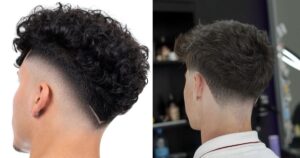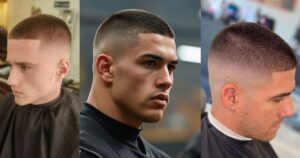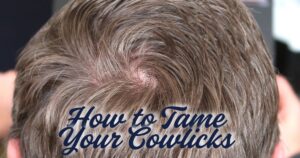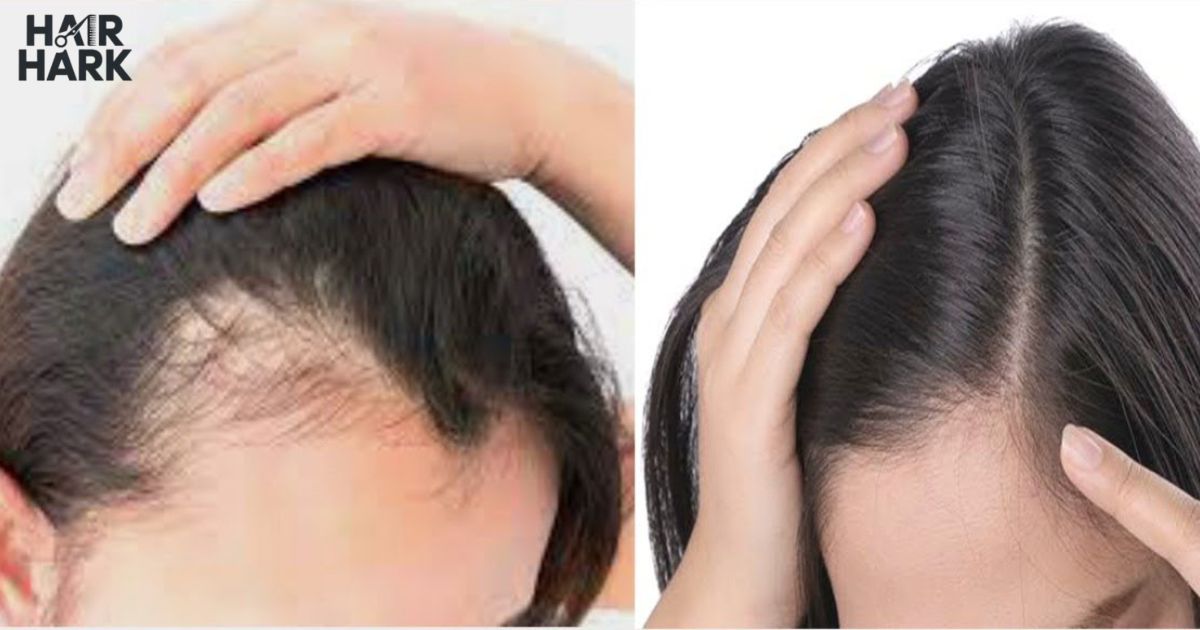
Here’s the deal: work with your hair growth pattern, not against it. Your crown spiral dictates which way your hair wants to fall, and fighting it creates that messy, unkempt look you’re trying to avoid.
I’ve spent years behind the chair watching guys give up on their hair growth journey right when things get rough. They hit that tricky period around month two and think something’s wrong with their hair.
Nothing’s wrong. Your hair just has its own blueprint, and you haven’t cracked the code yet.
What is the Awkward Stage of Hair?
The awkward stage hits when your hair refuses to cooperate anymore. It’s that uncomfortable phase where your usual styling tricks stop working and everything sticks out in weird directions.
Most guys experience this challenging phase about 4-8 weeks after their last cut. Your sides puff out, your back gets this odd bulge, and nothing sits flat no matter how much product you pile on.
Some people breeze through with barely a hiccup. Others deal with hair frustration for months because their hair texture fights every single styling attempt they make.
The tricky period doesn’t just happen once either. Growing out hair means you’ll face multiple awkward stages as your hair reaches different lengths and transitions through various shapes.
Understanding Your Crown Spiral Changes Everything
Your crown is the command center for your entire hair growth pattern. Look at the back of your head where your hair spirals outward from a central point—that’s your growth headquarters.
Most people have clockwise growth, but plenty have counter-clockwise growth or even a double crown that complicates things further. This spiral determines which direction every strand wants to travel across your head.
I had a client once who kept trying to slick his hair back for months. His hair would stick straight up like he’d been electrocuted because his crown spiral pushed everything forward and down, not backward.
Once we worked with his natural growth direction instead of against it, his hair laid flat within days. Same hair, same length, completely different result just by respecting how it wanted to behave.
So How Can We Best Get Through The Awkward Phase?
Start by getting your hair wet and grabbing a comb. Brush it in different directions and watch what happens—if it lays flat, you’ve found your hair flow.
When it sticks up or feels like it’s resisting, you’re going against your growth pattern. It’s exactly like shaving with the grain versus fighting it—one direction glides smooth, the other creates hair resistance and hair irritation.
My own hair grows down and slightly forward on the sides. If I try a slick-back attempt when it’s too short, I look ridiculous because the hair physically refuses to cooperate.
So I adapted my hairstyle plan to match what my hair wanted. I style the sides downward and let them fall naturally forward instead of forcing them into a shape that creates unwanted volume.
Different areas might behave differently too—that’s your cowlick behavior at work. A cowlick is just a section where the growth direction differs from the surrounding hair, creating a natural whorl or standing pattern.
The key is brushing technique and combing technique while your hair’s wet. Test each section, map out where everything wants to go, and build your styling around those natural highways your hair’s already traveling.
Why is this so important?
Fighting your natural hair growth pattern wastes your time and destroys your confidence. You’ll spend 20 minutes every morning wrestling with stubborn hair that refuses to stay put, then feel defeated when it looks messy by noon.
Understanding growth pattern means you’re working smarter, not harder. Your styling takes half the time because you’re not battling physics anymore—you’re partnering with it.
People with soft hair or fine hair strands have it easier here. Their hair bends and moves more willingly, so they can sometimes override their natural pattern with blow-dry styling and strong products.
But if you’ve got thick, coarse, or stubborn hair like mine, you don’t have that luxury. Your hair has opinions, and it’s going to express them whether you like it or not.
I see tons of tutorials suggesting you just blow-dry everything backward and call it a day. Those work great for people whose crown spiral already pushes hair in that direction or who have softer, more forgiving texture.
For the rest of us, that advice creates an unflattering shape that requires constant maintenance and never really looks right. Dealing with awkward phase becomes ten times harder when you’re fighting nature every single day.
Finding Your Style Direction
Hairstyle inspiration should match your reality, not some Instagram model with completely different hair. If your hair grows forward, find styles that embrace forward movement instead of forcing backward flow.
I wasted months trying to copy styles that looked great on other people. Their hair behavior differed from mine, so what worked effortlessly for them became an exhausting battle for me.
Once I started looking for styling options that matched my growth direction, everything clicked. My hair looked better with less effort because I stopped trying to make it do the impossible.
Hairstyle experimentation becomes way more productive when you’re testing within your lane. You’re not randomly trying everything—you’re exploring variations that respect your growth pattern alignment.
Try styling wet hair in your natural direction first. Add product, see how it dries, then make small adjustments instead of trying to completely redirect everything.
Wet hair styling reveals the truth faster than anything else. Your hair shows you exactly where it wants to go when there’s no product or heat styling masking its natural tendencies.
Also Read: Best Haircuts to Get Before Growing Out Your Hair: Your Complete Starter Guide
Managing Poofiness and Volume Issues
Poofiness control starts with direction, not products. When you style against your growth pattern, the hair lifts away from your scalp and creates that puffy, mushroom effect everyone hates.
Styling with your pattern keeps everything closer to your head naturally. You’re reducing volume by working with gravity and your hair’s natural fall instead of creating tension that pushes everything outward.
Minimizing poofiness also means understanding which areas need more attention. Your sides might poof more than your top, or your crown might create unwanted volume that throws off your entire shape.
Target those trouble spots with your new knowledge of growth direction. If your sides grow forward, don’t try to push them back—style them forward and down to keep them flat.
Hair lay down happens naturally when you’re moving with the grain. It’s like water flowing downhill versus trying to push it upward—one works with nature, the other fights it constantly.
Building Your Growth Strategy
Leveling up hairstyles means having a roadmap for different lengths. What works at two inches won’t work at four inches, so plan ahead instead of getting blindsided by each new tricky phase.
Your battle plan mindset should include intermediate styles that bridge the gap between short and long. Think of it like checkpoints in a video game—each one gets you closer to your final goal without making you suffer through impossible sections.
Regular trims help shape your hair growth without sacrificing length. A skilled barber can clean up your outline and remove weight from problem areas while keeping your overall length increasing.
Customized haircuts during the grow-out challenges make a massive difference. Cookie-cutter trims don’t account for your unique growth pattern, but a hair expert who understands your hair’s behavior can sculpt it strategically.
Haircuts for awkward stage aren’t about going shorter—they’re about creating better shape at your current length. Sometimes removing half an inch from one area completely transforms how everything else behaves.
Adapting Products and Techniques
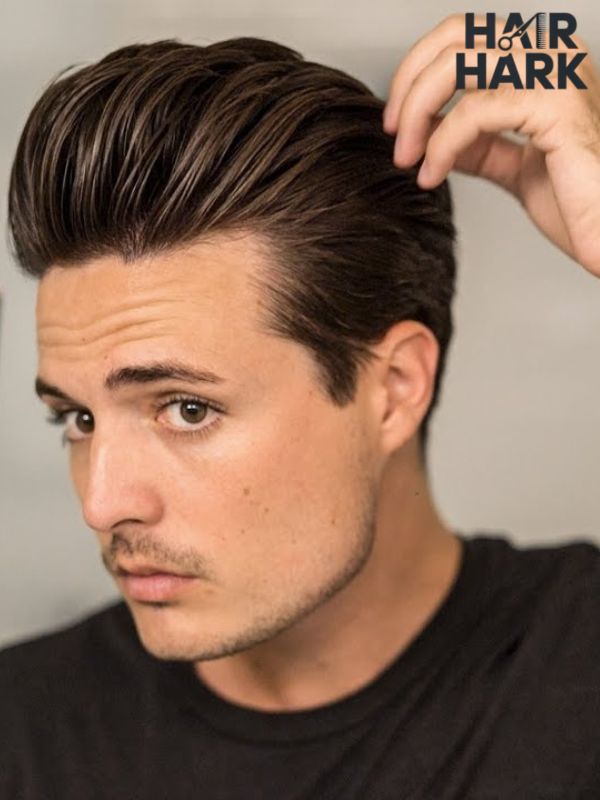
Hair adaptability improves when you choose products that match your texture and goals. Heavy pomades work great for smoothing hair that wants to stick up, while lighter creams suit people trying to maintain natural movement.
Backward styling requires stronger hold if you’re fighting your natural hair flow. But why make life harder when you could use lighter products and achieve better results by going with your pattern?
Test different application methods too. Some people need to apply product to soaking wet hair, others get better results on damp or even dry hair depending on their hair texture and desired outcome.
Your hair type determines how much heat styling helps versus hurts. Fine hair responds well to blow-drying, while thick hair might just get damaged without seeing much benefit.
Embracing Your Unique Pattern
Embrace unique growth pattern instead of viewing it as a flaw. Your hair’s natural behavior is actually your biggest styling asset once you understand how to use it.
Accept natural growth and you’ll spend less time frustrated and more time actually enjoying your hair lengthening process. The guys with the best hair aren’t fighting their texture—they’re celebrating it.
Work with growth pattern and suddenly those confident and fresh looks come easily. You’re not forcing anything, so your style holds up through wind, humidity, and long days without constant adjustment.
FAQ’s
What Are The 4 Stages Of Hair Growth?
Your hair cycles through anagen (active growth), catagen (transition), telogen (resting), and exogen (shedding). Each strand operates independently, so you’ve got hair in all four stages simultaneously across your scalp.
How Long Does Each Stage Of Hair Growth Take?
Anagen lasts 2-7 years depending on genetics, catagen wraps up in 2-3 weeks, and telogen hangs around for 2-4 months. Exogen overlaps with telogen and can last several months as old hairs release and new ones push through.
Is Losing 700 Hairs A Day Normal?
No way—that’s excessive and signals a problem worth checking with a dermatologist immediately. Normal shedding sits between 50-100 hairs daily, so 700 means something’s disrupting your growth cycle significantly.
How Do You Know When Your Hair Is In The Growth Stage?
Hair in anagen feels firmly rooted when you tug gently and shows consistent lengthening week to week. You’ll also notice the strand has a visible bulb at the root if it naturally sheds, indicating it completed its growth cycle.
What Are Signs Of Hair Regrowth?
Look for baby hairs popping up along your hairline and part—they’ll be shorter and sometimes finer than surrounding hair. You might also spot tiny dark dots on your scalp where new follicles are activating and pushing fresh strands through.
Final Thoughts
Getting through the awkward phase isn’t about suffering until your hair finally gets long enough. It’s about decoding growth pattern and building styles that work with your hair’s natural architecture.
Stop copying tutorials from people with different hair development pattern than yours. Find your crown spiral, map your growth direction, and style accordingly.
The hair transition becomes manageable when you’re not fighting yourself every morning. Your hair journey should be exciting, not exhausting.
Analyzing hair growth takes maybe 10 minutes with wet hair and a comb. That small investment saves you months of frustration and bad hair days.
Work with your hair, not against it. That’s the real secret to navigating tricky hair phases and coming out the other side with self-assured and modern styles that actually suit you.